
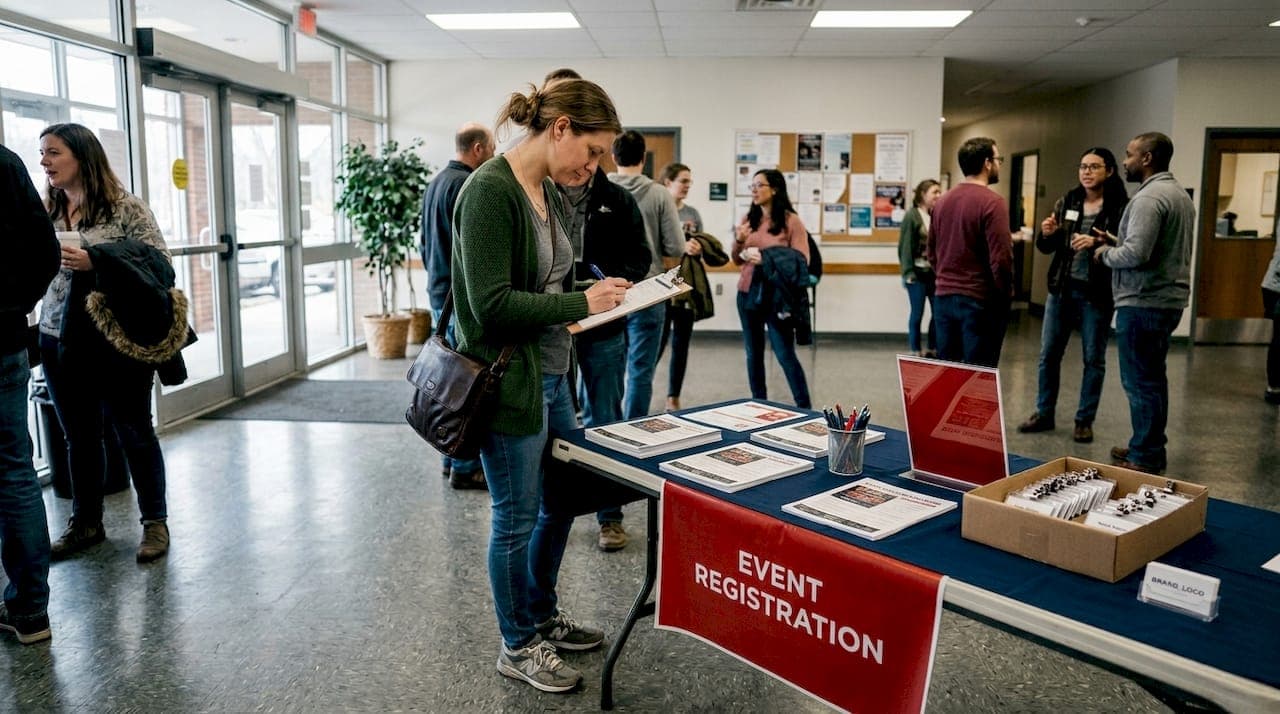
Most people picture kink events and their brain goes straight to leather, whips, and some kind of sweaty orgy scenario. That's the cultural shorthand we've all been handed, and honestly, it's boring and wildly inaccurate. Research confirms that attending BDSM/kink serves identity and connection needs far beyond sexual gratification, with community values like safety, consent, learning, and diversity sitting at the center of the experience. If you've been curious but kept yourself on the sidelines because you assumed these events weren't "for you" or that you'd be expected to perform something you weren't ready for, this is your reality check.
Table of Contents
- Rethinking kink: What really brings people to events
- Connection, consent, and community: Core values at the heart of kink events
- Learning opportunities: Education at every experience level
- Well-being and empowerment: Personal benefits of getting involved
- Why the real reason to attend kink events isn't what you think
- Looking to connect? Discover events and community support
- Frequently asked questions
Key Takeaways
| Point | Details |
|---|---|
| Beyond sexuality | Kink events offer opportunities for connection, identity exploration, and education beyond physical play. |
| Foundations of safety and consent | Community events prioritize safety, boundaries, and consent, providing a supportive environment for all experience levels. |
| Personal growth | Attendees often experience improved communication skills, emotional well-being, and a stronger sense of self-acceptance. |
| Education at every step | You can learn and observe at your own pace, making kink events accessible whether you are a newcomer or experienced. |
Rethinking kink: What really brings people to events
Let's get honest about something. The first time I stood outside a kink event, I was genuinely convinced I was about to walk into something I couldn't handle. What I found instead was a room full of people drinking bad coffee, debating rope knot techniques, and genuinely listening to each other. It felt more considerate than most networking events I'd ever attended.
People show up to attending kink events for a wild mix of reasons, and almost none of them are as simple as "I want to get laid." Identity affirmation is huge. For a lot of folks, this is the first place where who they are, what they're into, and what they want to explore gets met with curiosity instead of judgment. That alone is worth showing up for.
Studies back this up. BDSM/kink attendance is described by participants as serving identity and connection needs, including control and power exchange themes, alongside community values like safety, consent, learning, and diversity. So when you see someone at an event dressed in full submissive regalia but spending most of the evening just talking to people? That tracks completely.
Here's a comparison that might reframe things for you:
| Mainstream social event | Kink community event |
|---|---|
| Unspoken rules about behavior | Clear, stated consent norms |
| Judgment masked as small talk | Open discussion about desires and limits |
| Vague social hierarchies | Defined roles with mutual respect |
| Alcohol-driven interaction | Education and skill-sharing as social currency |
| Surface-level connection | Identity-based belonging |
"I came for the curiosity and stayed for the community. Nobody here is pretending to be someone they're not." — common sentiment heard at kink meetups across the U.S.
The discovery element is real. Events can function as a kind of gentle orientation to your own desires. You're not expected to arrive already knowing everything about yourself. A lot of people use these spaces to figure out what resonates, what makes them feel alive or powerful or safe, before committing to any specific identity or dynamic.
Connection, consent, and community: Core values at the heart of kink events
Here's something that trips people up when they first start learning about kink spaces: the level of explicit communication required is actually more rigorous than most vanilla (non-kink) social environments. Consent isn't an afterthought. It's the architecture.
Research involving 19 U.S. BDSM practitioners found that participation can provide well-being and interpersonal benefits including emotion regulation and strengthened communication and intimacy, with community structures actively contributing to safety. That's not fluff. People are genuinely walking away from these events better at talking to their partners, better at knowing their own needs, and more emotionally grounded.
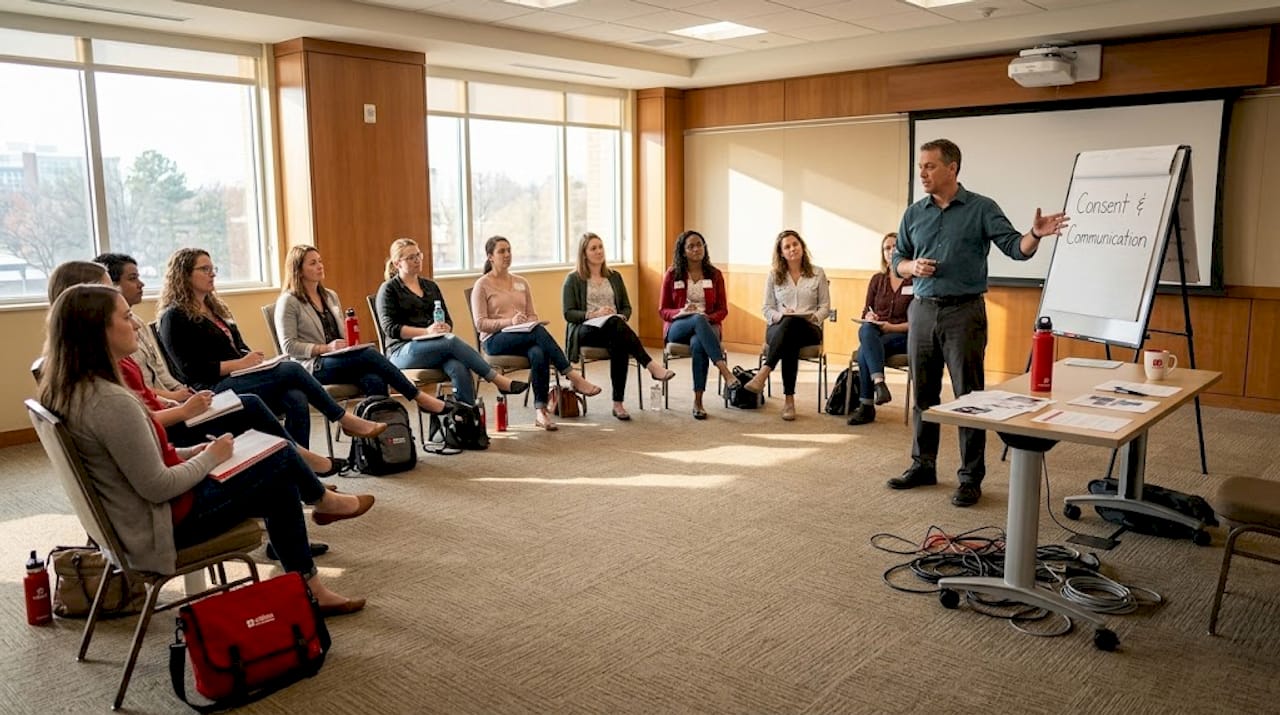
What makes kink events feel so different from a typical bar scene or even a dating app interaction is the culture of explicit agreement. You ask. You listen. You respect the answer. It sounds simple but it rewires how you interact with people in profound ways.
The core values you'll encounter at most legitimate kink events include:
- Enthusiastic consent: Yes means yes, and ambiguity means stop and talk it out
- Safe words and signals: Non-verbal and verbal check-ins are normalized and expected
- Dungeon monitors (DMs): Trained community members who oversee play spaces and intervene if something goes sideways
- Negotiation before play: Partners discuss limits, desires, and boundaries before any scene begins
- Aftercare culture: Emotional and physical support following intense experiences is considered a core responsibility, not optional
- No pressure to participate: Watching, learning, and socializing are completely legitimate reasons to be there
Pro Tip: If you're going to your first event, introduce yourself to a dungeon monitor or event organizer right away. They're there to help, not police. Letting them know you're new usually gets you a mini orientation that makes the whole night less overwhelming.
"The community didn't just teach me about kink. It taught me how to have an honest conversation about what I want." — a sentiment echoed across BDSM practitioner communities
The BDSM community benefits extend past the event itself. People report that the communication skills they develop in kink contexts spill into their everyday relationships. They get better at asking for what they need, setting limits without guilt, and recognizing when something doesn't feel right. That's genuinely useful life stuff.
Learning opportunities: Education at every experience level
One of the most underrated things about kink events is how much actual learning happens there. Not abstract, theoretical learning. Practical, hands-on, often hilarious, sometimes moving, real-world education.
Events typically offer a layered experience depending on where you are in your journey. Here's how it usually breaks down:
- Observation: You can watch demonstrations of rope bondage, impact play, or sensation work without participating at all. This is explicitly encouraged for newcomers.
- Social learning: Conversations with experienced practitioners are some of the richest educational resources you'll find. People love talking about their craft.
- Structured workshops: Many events include formal workshops on topics like consent negotiation, dominant/submissive dynamics, safety protocols for specific types of play, and emotional processing.
- Demos with Q&A: Educators and experienced practitioners demonstrate techniques and then open the floor for questions. No judgment for asking the obvious stuff.
- Peer practice: With proper consent and often under supervision, attendees can practice skills in a supported environment.
The insight from event organizers and educators is practical and direct: you can learn consent, boundaries, and community norms by observing and socializing first, before ever stepping into higher-risk or higher-intensity play. That's not just advice for shy people. It's the recommended approach.
Here's a quick look at the kinds of workshops and their skill levels:
| Workshop type | Level | Key takeaway |
|---|---|---|
| Intro to consent negotiation | Beginner | How to have clear, enthusiastic conversations before play |
| Rope bondage basics | Beginner/Intermediate | Safety, knot types, and checking circulation |
| Impact play safety | Intermediate | Anatomy, implements, and avoiding injury |
| Dominant/submissive dynamics | All levels | Power exchange psychology and communication |
| Aftercare practices | All levels | Emotional and physical recovery post-scene |
| Edge play ethics | Advanced | Risk-aware decision-making for intense activities |
Pro Tip: Go to the beginner-friendly workshops even if you think you're past that stage. The consent and communication frameworks covered in intro sessions are foundational and constantly worth revisiting. You'll always pick up something new, and you might meet someone who becomes a genuinely important person in your community.
The kink event education model works because it treats consent as a living skill, not a checkbox. You don't just learn the rules once and move on. Every new partner, every new dynamic, every new type of play requires a fresh conversation. That ongoing practice of explicit communication is something most people outside these communities never develop.
Well-being and empowerment: Personal benefits of getting involved
Okay, let's talk about what happens inside you when you start showing up to these spaces regularly. Because it's more significant than most people expect, and more layered than the stereotypes allow for.
The personal rewards of kink community involvement show up in several areas:
- Emotional regulation: Intense experiences that are consensual and supported can help people process stress, access vulnerability, and release emotional tension in a controlled environment
- Improved communication: The explicit negotiation culture trains you to articulate needs and limits clearly, which carries into every other relationship in your life
- Deepened intimacy: Partners who explore kink together often report a stronger sense of connection and trust
- Identity acceptance: For many people, finding a community that sees and accepts their desires without shame is a turning point in how they feel about themselves
- Physical sensation and endorphins: Some forms of intense play trigger endorphin responses that create a genuine, measurable sense of euphoria and stress relief
That last point has some interesting science behind it. An exploratory study on BDSM and chronic pain found that for some participants, engaging in BDSM practices is associated with short-term perceived relief and benefits, including endorphin rush and euphoria. The research also flags that consent and safety remain essential, particularly for higher-intensity activities. That context matters, and responsible event organizers know it.
Statistic callout: Research involving BDSM practitioners consistently identifies emotional and interpersonal well-being as primary benefits reported by participants, including improved emotion regulation, stronger communication skills, and a heightened sense of intimacy with partners.
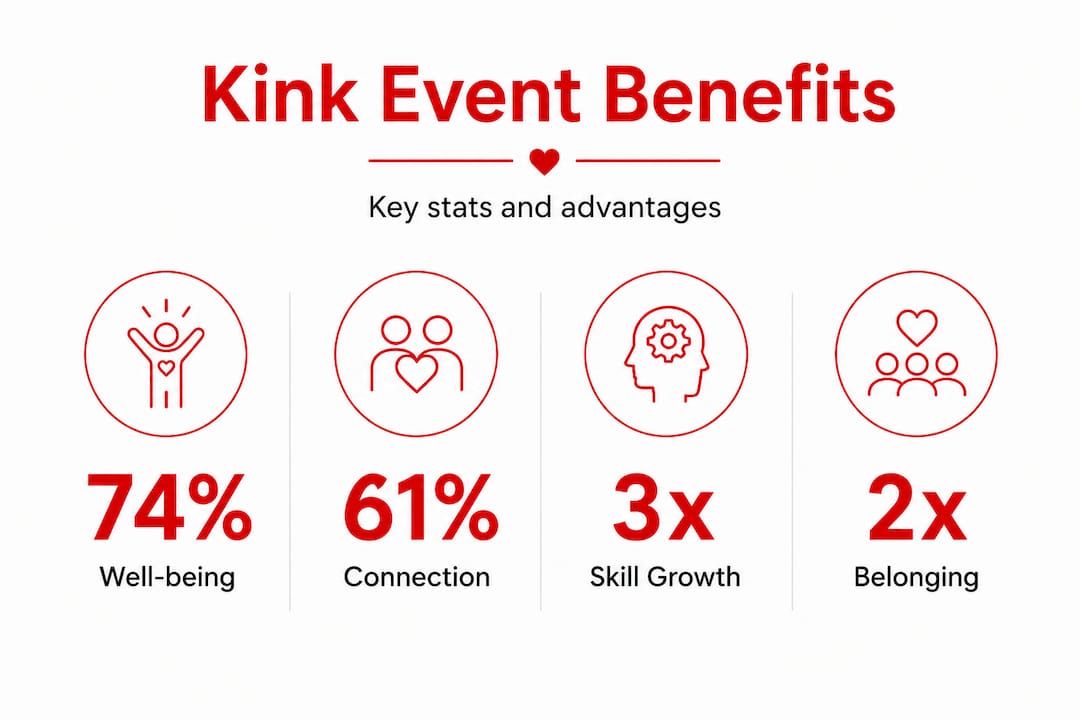
The sense of belonging piece is genuinely hard to overstate. A lot of people who find kink communities describe a feeling of coming home. Like they've been performing a sanitized version of themselves their whole lives and suddenly there's a room full of people who are cool with the real version. That kind of acceptance isn't just emotionally pleasant. It changes how you move through the world. It shifts the relationship you have with your own personal growth in ways that ripple outward into everything else.
Why the real reason to attend kink events isn't what you think
Here's my honest, maybe slightly inconvenient take: most people who are drawn to kink events are actually chasing something much simpler and much more universal than power exchange or sexual adventure. They're looking for a place where they don't have to perform the version of themselves that the rest of the world expects.
And that's both the most radical and the most ordinary thing about these spaces.
The research on Dominant-identity participants is careful to note that motivations vary significantly by role and identity. Someone coming to an event as a Dominant is often seeking something very different from a submissive attendee, who is seeking something different again from a curious observer or an educator. The "why attend" isn't one thing. It shifts based on what you're actually looking for, whether that's human connection, a specific technique, a power exchange dynamic, or just a room where your weirdness is normal.
What I think gets missed in the conversation about kink events is that the structure itself, the consent protocols, the negotiation culture, the aftercare norms, is genuinely therapeutic architecture. It's a social environment designed to make explicit the things most relationships leave dangerously vague. That's not kinky. That's just wise.
Most people spend their whole lives in social situations where nobody says what they want, nobody establishes what's off limits, and nobody checks in afterward to make sure everyone is okay. Kink events flip that entirely. And once you've experienced it, you start wondering why every social environment doesn't work this way.
Attending isn't about who you are yet. It's about creating the conditions to find out.
Looking to connect? Discover events and community support
You've done the reading. You understand that these spaces are about more than what the stereotypes suggest. Now the question is what you do with that.

Kinky Korner is built for exactly this moment. Whether you're looking to find vetted local kink events, connect with established practitioners and educators, or explore erotic literary and artistic content while you figure out where you fit, it's all there. The platform brings together a marketplace of adult-themed services and community spaces designed with the same values kink events prioritize: openness, safety, and genuine connection. You don't have to know what you want yet. You just have to be willing to look.
Frequently asked questions
Are kink events only about sex?
No, kink events focus on community, education, and connection, with many designed for learning and social engagement rather than play. Research confirms that identity and connection needs, not only sexual gratification, drive most attendance.
Can beginners attend kink events without participating?
Absolutely. Newcomers are actively encouraged to observe and learn about consent, boundaries, and community norms before engaging. Event educators recommend socializing and watching first, before stepping into any higher-intensity play.
Is safety prioritized at kink events?
Yes, most kink events have explicit safety protocols, trained dungeon monitors, and a strong consent culture. Community structures are specifically described as enhancing participants' sense of safety in ways that mainstream social settings rarely match.
What personal benefits can attending kink events offer?
Many people report improved communication skills, stronger intimacy, greater self-acceptance, and even short-term stress relief. Research links BDSM participation to well-being benefits including endorphin rush, emotional regulation, and enhanced interpersonal connection.