

An artist profile is a curated representation of your creative identity, built to attract opportunities and pull the right people into your world. Whether you're a musician, visual artist, or adult content creator, knowing how to create artist profiles that actually work is the difference between being invisible and being booked. The industry standard for a professional profile includes a verified platform presence, a bio in at least two lengths, a media gallery, and clear contact routes. Get those four things right, and you're already ahead of most creatives out there.
What are the essential components of a successful artist profile?
Every strong artist profile shares the same bones. The details change based on your discipline, but the structure is universal.
- Professional photos and visual branding. Your images are the first thing anyone sees. Use high-resolution shots with consistent lighting and color tone. One strong hero image beats ten mediocre ones every time.
- Short and long bios. Professional artist bios come in two standard lengths: short (100–200 words) and long (250–300 words), both written in third person for press or marketing use. The short bio goes on streaming platforms and press kits. The long bio lives on your website and tells the fuller story.
- Portfolio or media gallery. This is your proof of work. Musicians need embedded audio or video. Visual artists need a curated image gallery. Adult creators need a selection that represents their range without giving everything away for free.
- Contact information and calls to action. Make it dead simple for someone to reach you. A contact form, an email address, and a booking link are the minimum. Burying your contact info is one of the fastest ways to lose a gig.
- Social proof. Press quotes, playlist placements, collaboration credits, and awards tell visitors that other people already trust your work. Social proof in bios dramatically increases credibility and engagement. One strong press quote is worth more than three paragraphs of self-description.
Structured artist portfolio websites with clear page layouts and navigation reduce visitor bounce rates by up to 50%. That number tells you something real: people leave when they can't find what they need fast.
What tools and platforms do you need before building an artist profile?

Before you create a single profile, gather your assets. Walking into this process unprepared wastes time and produces weak results.
| Asset or platform | What you need | Notes |
|---|---|---|
| High-res photos | Minimum 3 professional images | At least 1,500 x 1,500 pixels for most platforms |
| Written bios | Short (100–200 words) and long (250–300 words) | Third person, press-ready |
| Streaming platform accounts | Artist name, release links, distributor access | Verification can take up to two weeks |
| Personal website | Domain, hosting, basic CMS | Your owned homebase |
| Social media accounts | Consistent username across platforms | Linked to your main profile |
Claiming an artist profile on major streaming platforms requires official documentation including your artist name, release links, account access, and quality images with bios. The process varies by platform and can take up to two weeks. Plan for that delay before any release or campaign.
Your personal website is the most critical asset on that list. Owning your artist website means you control a platform immune to social media algorithm changes, and organic search drives 53% of website traffic. Social platforms can throttle your reach overnight. Your website cannot be taken from you.
Pro Tip: Register your artist name as a domain the moment you decide on it. Even if you're not ready to build the site yet, securing the URL costs less than $20 a year and protects your brand.
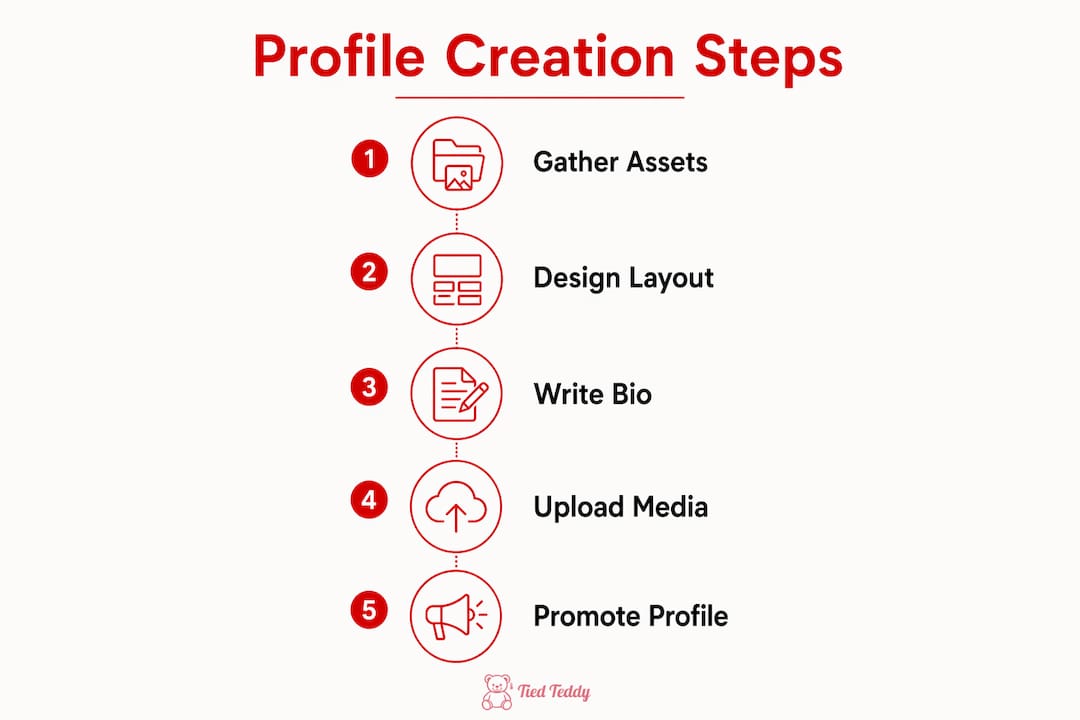
How to create and optimize an artist profile step by step
This is where most artists either get it right or waste months on a profile nobody finds.
-
Claim your streaming profiles first. Spotify and other major platforms auto-create artist profiles on your first release delivery. You must then claim those profiles to manage customizations. Log into the platform's artist portal, submit your documentation, and wait for verification. Do not skip this step. An unclaimed profile looks abandoned.
-
Write your bios before you fill in any platform fields. Start with the long bio, then cut it down to the short version. Effective bios open with a hook that paints a memorable image or claim about your work, not your name or genre. "Genre-bending producer from Atlanta" tells nobody anything. "The sound that made a room go quiet at 2 a.m." makes someone stop scrolling.
-
Build your personal website with a clear structure. A homepage with a 3–5 image hero slider, a bio section, a portfolio gallery, and a contact page covers the essentials. Keep navigation to five items or fewer. Every extra click is a chance for someone to leave.
-
Add SEO basics to your website. Use your artist name and genre in your page title, meta description, and first paragraph. Artist portfolios benefit from schema markup and structured data, specifically VisualArtwork schema, to improve search engine visibility and attract traffic through rich snippets. This is not optional if you want people to find you through Google.
-
Set up your LinkedIn profile as a digital portfolio. LinkedIn profiles viewed as digital portfolios rather than static resumes attract galleries and collaborators through rich storytelling in experience entries. Use the experience section to add mini-portfolio entries with images and project descriptions.
-
Connect everything. Your website, streaming profiles, social accounts, and LinkedIn should all link to each other. A booker who finds you on one platform should be able to reach your full profile in two clicks.
Pro Tip: Upload a press kit PDF to your website. Include your long bio, high-res photos, and key press quotes in one downloadable file. Bookers and venue managers love not having to ask for assets separately.
How to maintain and promote your artist profile for ongoing success
Building the profile is the start. Keeping it alive is the actual work.
- Update regularly. Regularly updating artist profiles with new work, press quotes, and project details retains audience interest and signals professionalism. A profile that hasn't changed in a year tells visitors you're not active.
- Rotate your social proof. Swap in your most recent and most impressive press mentions. A quote from last month beats a quote from three years ago every time.
- Use platform analytics. Most streaming and portfolio platforms give you data on who visits, where they come from, and what they click. Use that data to figure out which content pulls people in and make more of it.
- Integrate booking tools. Add a direct booking link or inquiry form to every platform that allows it. Profiles with clear contact routes improve booking inquiries and engagement. Make it as easy as possible for someone to say yes to you.
- Cross-promote across platforms. When you update your website with a new project, post about it on social media and update your streaming bio. Treat every platform as a spoke connected to your website as the hub.
Pro Tip: Set a calendar reminder every 60 days to review your artist profile. Check that your contact info is current, your best recent work is featured, and your bio reflects where you are now, not where you were two years ago.
For adult content creators specifically, understanding the full range of creator types and opportunities helps you position your profile to attract the right audience and the right collaborators.
Key takeaways
A strong artist profile combines a verified platform presence, a compelling bio, a curated portfolio, and consistent updates to attract bookings and build lasting visibility.
| Point | Details |
|---|---|
| Two bio lengths are standard | Write a 100–200 word short bio and a 250–300 word long bio, both in third person. |
| Claim your streaming profiles | Platforms auto-create profiles on first release; claim them immediately to control your presence. |
| Own your website | A personal site is immune to algorithm changes and drives the majority of organic traffic. |
| Lead bios with a hook | Open with a vivid claim or image, never your name or genre, to stop the scroll. |
| Update every 60 days | Fresh work, current press quotes, and live contact info signal that you are active and bookable. |
Why your artist profile is the one thing you actually own
Here's the thing nobody tells you when you're starting out: social media is borrowed land. You build an audience on a platform someone else controls, and then one algorithm update wipes your reach. I've watched talented artists pour years into a single platform only to see their visibility crater overnight. The profile you own, the one on your website, is the only one that can't be taken from you.
The other thing I've learned is that most artists undersell themselves in their bios because they're afraid of sounding arrogant. They write something vague and safe, and then wonder why nobody reaches out. Your bio is not the place for modesty. It's the place to make a claim so specific and vivid that the right person reads it and thinks, "I need to work with this person." That's the whole game.
Balancing professionalism with personality is where most profiles either connect or fall flat. A profile that reads like a press release keeps people at arm's length. A profile that sounds like you, with your actual voice and your actual story, pulls people in. The artists I've seen build real careers are the ones who figured out how to do both at the same time.
If you're creating a profile on Kinkykorner, that balance matters even more. The platform attracts an audience that values authenticity and specificity. Generic won't cut it. Your profile needs to say exactly who you are and exactly what you offer, with enough personality to make someone want to know more.
— Prenston
Where Kinkykorner fits into your artist profile strategy
Kinkykorner is built for artists who are done playing small. The platform lets you list your adult-themed services, showcase your creative work, and connect with an audience that's actively looking for what you offer.
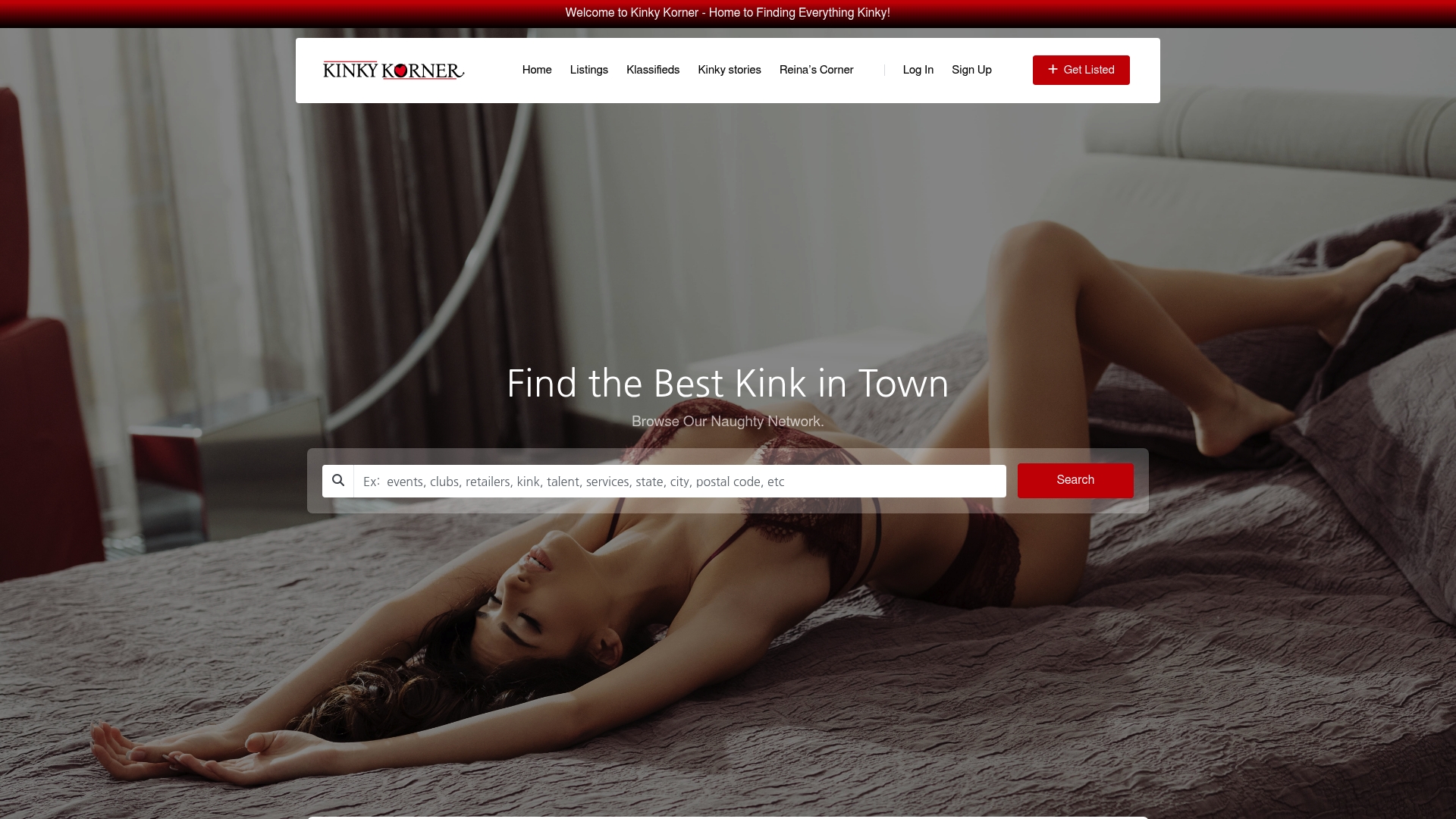
Setting up your profile on Kinkykorner puts your work in front of people who are already interested in adult artistic content, erotic literature, and creative services. You get a dedicated space to present your portfolio, set your terms, and receive inquiries without the sanitized restrictions of mainstream platforms. For artists who want to support and promote adult work without compromise, Kinkykorner offers the infrastructure to do it professionally. Build your profile at Kinkykorner and put your work where it belongs.
FAQ
What is an artist profile?
An artist profile is a curated digital representation of your creative identity, including your bio, portfolio, contact information, and social proof. It exists across platforms like personal websites, streaming services, and marketplaces to attract opportunities and engage your audience.
How long should an artist bio be?
Professional artist bios come in two standard lengths: short (100–200 words) and long (250–300 words), both written in third person. The short version suits streaming platforms and press kits; the long version belongs on your personal website.
How do I claim my artist profile on streaming platforms?
Streaming platforms like Spotify auto-create artist profiles on your first release delivery. You then claim the profile through the platform's artist portal by submitting your artist name, release links, and account documentation. The process can take up to two weeks.
Why do I need a personal website if I have social media profiles?
A personal website is an owned platform that organic search drives traffic to, independent of social media algorithm changes. Social platforms can reduce your reach at any time. Your website cannot be taken from you or throttled by an algorithm update.
What is the biggest mistake artists make on their profiles?
The most common mistake is opening a bio with the artist's name or a generic genre description. Effective bios open with a compelling hook that describes sonic identity, emotional tone, or a vivid claim about the work, which stops the scroll and creates a memorable first impression.