
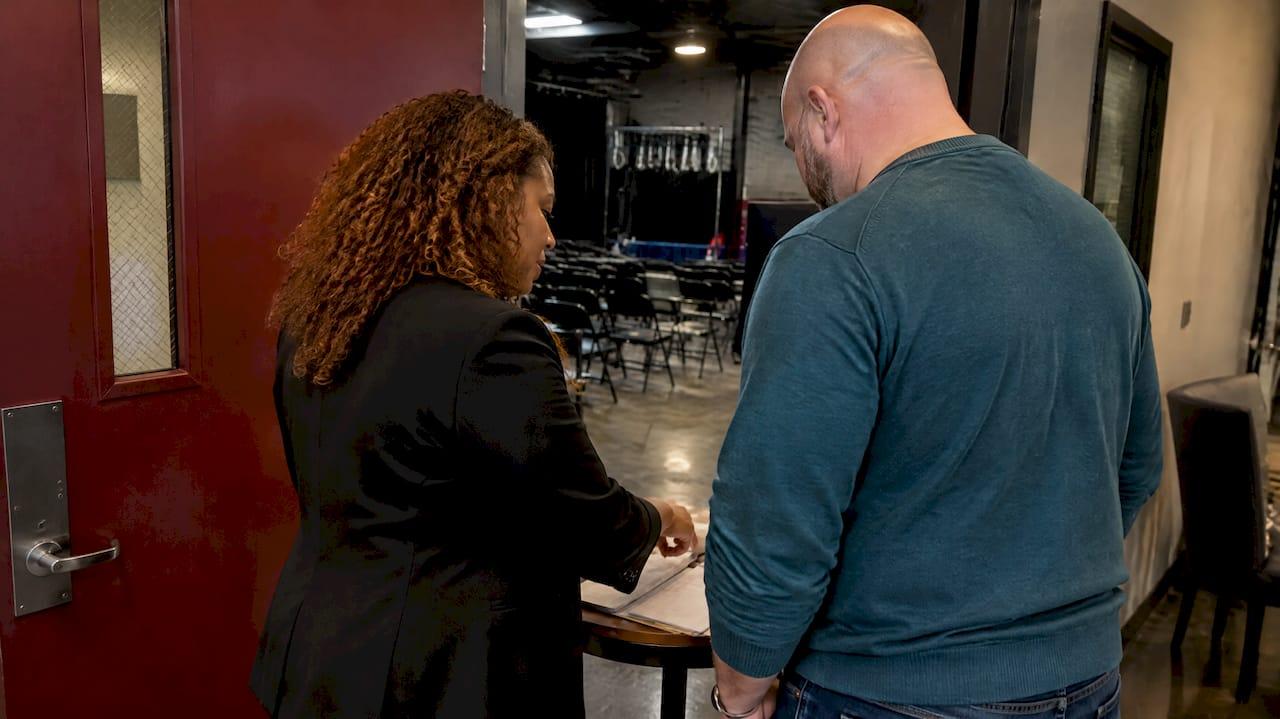
If you run a kink party, a munch, a workshop or a play space, you can buy event liability insurance, but only if you tell the underwriter exactly what happens at your event and then read the exclusions line by line. A policy bought for a wedding and quietly used for a rope night is the policy most likely to fail you on the worst day. Below is how the coverage works, where it breaks, what venues ask for and how to build a file that holds up.
This is general information, not legal or insurance advice. Before you sign anything, put your event description in front of a licensed insurance broker and a lawyer in your state.
TL;DR
- Special-event liability insurance is built for property damage and attendee injury claims. Whether your event's activities fall inside it depends on the exact policy wording and what you disclosed.
- Assault and battery exclusions are the clause to hunt for. Consent-based play and non-consensual harm look very different to you, but a policy form only sees words.
- Waivers help against ordinary negligence claims, but generally not against gross negligence or willful misconduct. They are not a substitute for coverage.
- Venues usually want a certificate of insurance naming them as additional insured. Ask early, because the limits they require decide which policy you can buy.
- Once you are covered and your venue is lined up, list the event where kinky people actually look for events.
Table of Contents
- What event liability insurance actually does
- The clause that decides everything: assault and battery
- Waivers: useful, limited
- What venues ask for
- Be honest on the application
- Your own conduct can void protection
- What it costs
- How to get covered: a practical sequence
- If someone is hurt or property is damaged
- Where this leaves your event
- Get your insured event in front of the right people
- Our view
- FAQ
- Sources
What event liability insurance actually does
Special-event liability is short-term coverage for a single occasion. The core promise is simple: if someone is hurt because of the event, or property is damaged, the policy can help pay the resulting claim and the cost of defending it. That is the job. It is not a promise to cover everything that could go wrong, and it is not a promise to cover every activity you host.
A typical application for these policies, such as the special events application published by a major U.S. event program, offers general-liability limits from $1 million per occurrence and $2 million aggregate up to $5 million and $5 million, with blanket additional insureds and certificates of insurance included. Translation: you pick how big a claim the policy will pay, and the venue, the landlord or the city can be added so they are protected too.

The same application asks about the kind of event you are running. It requires a sample participant waiver, and confirmation that all participants sign it, for contact sports. It requires a venue contract and a statement of who is responsible for the exposure when there is overnight camping. Read that as a hint about how underwriters think: the more physical contact or overnight stay, the more paperwork they want, and the more they want to know who carries the risk.
Your event is not a contact sport on paper. But it involves physical contact, sometimes impact, sometimes restraint, often alcohol nearby or a weekend retreat format. An underwriter who learns that after the fact will not be charmed.
The clause that decides everything: assault and battery
Here is the part nobody puts on the sales page. Many liability policies carry, or can be endorsed with, an assault and battery exclusion. The American Bar Association's discussion of these exclusions notes that a standard commercial general liability policy does not, on its own, contain one, though insurers may add it by endorsement. It also explains that an assault or battery is not an accident, so it generally cannot count as an occurrence the policy covers.
Some of these exclusions go further. The same source notes that certain versions expressly apply to negligence claims and any other cause of action arising from an assault or battery. So if someone alleges they were injured during a scene and the claim is framed as "the organizer failed to supervise," a broad exclusion can still shut the door.
Why this matters for a kink event:
- Consent is your world's baseline, but a claim is a claim. Someone can allege that a scene went past their limits. The policy does not weigh your community's consent culture. It reads the exclusion.
- The endorsement may be added without drama. It sits in the policy forms, not the quote summary. Ask for the full policy, not the one-page declaration.
- Ambiguity is a negotiating position, not a plan. In California, for example, courts read specific exclusions narrowly and ambiguous terms in favor of the insured's reasonable expectations, and in many states insurers carry the burden of proving that an exclusion applies to an otherwise covered claim. That helps in a dispute. It does not help you avoid the dispute, and rules differ by state.
When you talk to a broker, ask this exact question in writing: "Does this policy, with all endorsements, exclude claims arising from assault, battery, or physical contact between participants at my event, and does that exclusion reach negligence claims?" Keep the answer.
Waivers: useful, limited
Every organizer has a waiver. Fewer understand what it does. Legal commentary on BDSM liability explains that signed waivers may protect against ordinary-negligence claims in BDSM settings, but generally will not protect against gross negligence or willful misconduct claims.
So a waiver is one layer, and it works best when it is specific. A line that says "I understand the risks of this event" is weaker than a document that names the kinds of activity, states that attendees must follow the house rules, and says safewords and monitor instructions are binding. Have a lawyer in your state draft or review it, because enforceability varies.
Two habits make your waiver and your insurance work together:
- Use the same description everywhere. The event description in your waiver, your insurance application, your venue contract and your public listing should agree. Contradictions are what adjusters find.
- Collect waivers the same way every time. A box you tick at ticketing and a signature at the door are both fine. Having some people sign and others not is how holes appear.
What venues ask for
Most venues will not hand over a room without a certificate of insurance. Expect these requests:
- A certificate naming the venue, and sometimes the property owner, as additional insured.
- A minimum limit of liability, often tied to the venue's own policy.
- Proof of the event's date, headcount and a description of activities.
- Sometimes a copy of your waiver and house rules.
The limit menu on a program like the one above is wide, so ask the venue first what number they need, then buy to that number. If a venue is willing to host adults-only events but you are not sure how they handle insurance, our guide to kink-friendly venues covers what to look for and what to ask before you pay a deposit.
Overnight events and retreats
If your event includes camping or lodging, assume the underwriter wants more. The application above asks for a venue contract and a clear statement of who is responsible for the camping exposure. Get that division of responsibility in writing with the venue before you apply, not after.
Be honest on the application
The temptation is obvious: describe the event as a "private social party" or "adult education workshop" and hope nobody asks. Do not. A misstatement on an application is what gives an insurer grounds to contest a claim later, on exactly the day you need the policy.
A clean, truthful description does three things. It lets the broker find an insurer that actually writes this risk. It lets you see exclusions in advance. And it protects the people who trust you to run the space.
Specialty sexual-wellness insurers say as much about their own market. One industry guide to sexual wellness coverage describes policies that combine general, product and premises liability for kink and BDSM brands. It also warns about silent exclusions that remove categories of risk without clearly alerting the policyholder, with examples including latex allergy claims, kink and BDSM products and adult-content marketing imagery. That guide is aimed at brands rather than event hosts, but the lesson carries over: read the exclusions, not the headline.
What to put in your description:
- The type of event (social, class, play party, retreat) and the expected headcount.
- Whether sexual activity occurs on site, or only demonstrations and negotiated play.
- Whether alcohol is served, and by whom.
- Your staffing: door screening, dungeon monitors, a safety lead, a first-aid plan.
- Your rules: consent policy, safewords, bans on photography, substance policy, how you handle a violation.
Your public event page should reflect the same facts. We wrote a short guide on what a kink event description must include from a safety angle, and it doubles as a checklist for the underwriter's questions.
Your own conduct can void protection
Insurance is not a license to ignore what happens in the room. The National Coalition for Sexual Freedom's guide to liability for groups and events points out that a group may be sued if it knows someone committed a consent violation resulting in physical injury and lets that person stay, and that its general liability or directors and officers insurance may not cover that lawsuit.
That is the practical core of it. Your policy may help with a bad accident you could not have prevented. It is much less likely to help when you knew about a problem and did nothing. Keep records of complaints, the action you took and who was removed. A consent policy that is enforced is worth more than one that is only posted.
Volunteers and nonprofit groups
Many kink events run on volunteers. The same guide notes that the federal Volunteer Protection Act does not protect volunteers from harm caused by gross negligence, reckless misconduct, willful or criminal misconduct, or conscious, flagrant indifference to safety, and that it does not protect nonprofits themselves. "We are all volunteers" is not a shield. If your team handles monitoring and door duties, they deserve to know where the protection stops.
What it costs
Prices vary with limits, headcount, activities and the insurer, and you will not get a trustworthy figure without a quote. For a rough sense of the specialty market, one guide to sexual wellness coverage says startup and pre-revenue brands often pay about $50 to $75 per month, while established brands or those needing expanded coverage may pay $300 to $600 or more per month. Those figures describe ongoing business policies for brands, not one-night event cover, so treat them as context for how this niche is priced, not as your quote.
Budget for these too: a lawyer's review of your waiver, certificate fees if the venue needs extra named parties, and a buffer for a higher limit if the venue asks for one at the last minute.
How to get covered: a practical sequence
- Write your event description first. One page: format, headcount, activities, staffing, rules, alcohol, location type.
- Ask the venue for its insurance requirements. Minimum limits, additional insured wording, deadline for the certificate.
- Talk to a licensed broker who will read your description. Ask directly whether they can place the risk and which insurer writes it. If one program declines, that is information, not an insult.
- Request the full policy and endorsements. Look for assault and battery, sexual misconduct, participant injury, alcohol and activity exclusions.
- Have a lawyer in your state review the waiver. Confirm it matches your application and your venue contract.
- Get the certificate and send it to the venue. Keep a copy with your event file.
- Train your team. Monitors and door staff should know the rules, the incident process and who to call.
- Publish an accurate event listing. The public description should match everything above.
If someone is hurt or property is damaged
Medical care comes first. Call emergency services, then follow your incident process: write down what happened, who saw it, names of monitors and the time. Do not promise to pay for anything or admit fault on the spot. Then notify your insurer promptly. Many programs let you start a claim online; for example, one event insurance provider explains that you can log in to the policy and select "Submit A Claim." Your own policy will say how fast notice is due, so check it before you need it.
Where this leaves your event
Insurance, waivers, venue contracts and a clear consent culture work as a system. Remove one piece and the others carry more weight than they can bear. Good etiquette also lowers the odds you ever need the policy, and our kink event etiquette guide is worth handing to new attendees and volunteers. If you also run online ads, your marketing is a legal surface too, and the adult content legalities guide walks through the compliance basics.
Get your insured event in front of the right people
Once your coverage and venue are settled, you need people to find the event. Kinky Korner has a Kink Events category where organizers can list events, and a free basic listing is available. Paid plans are $4.99 per month or $149.95 per year with the Yearly Premium tier. You can see what each includes on the pricing page, or start from the Kinky Korner homepage.
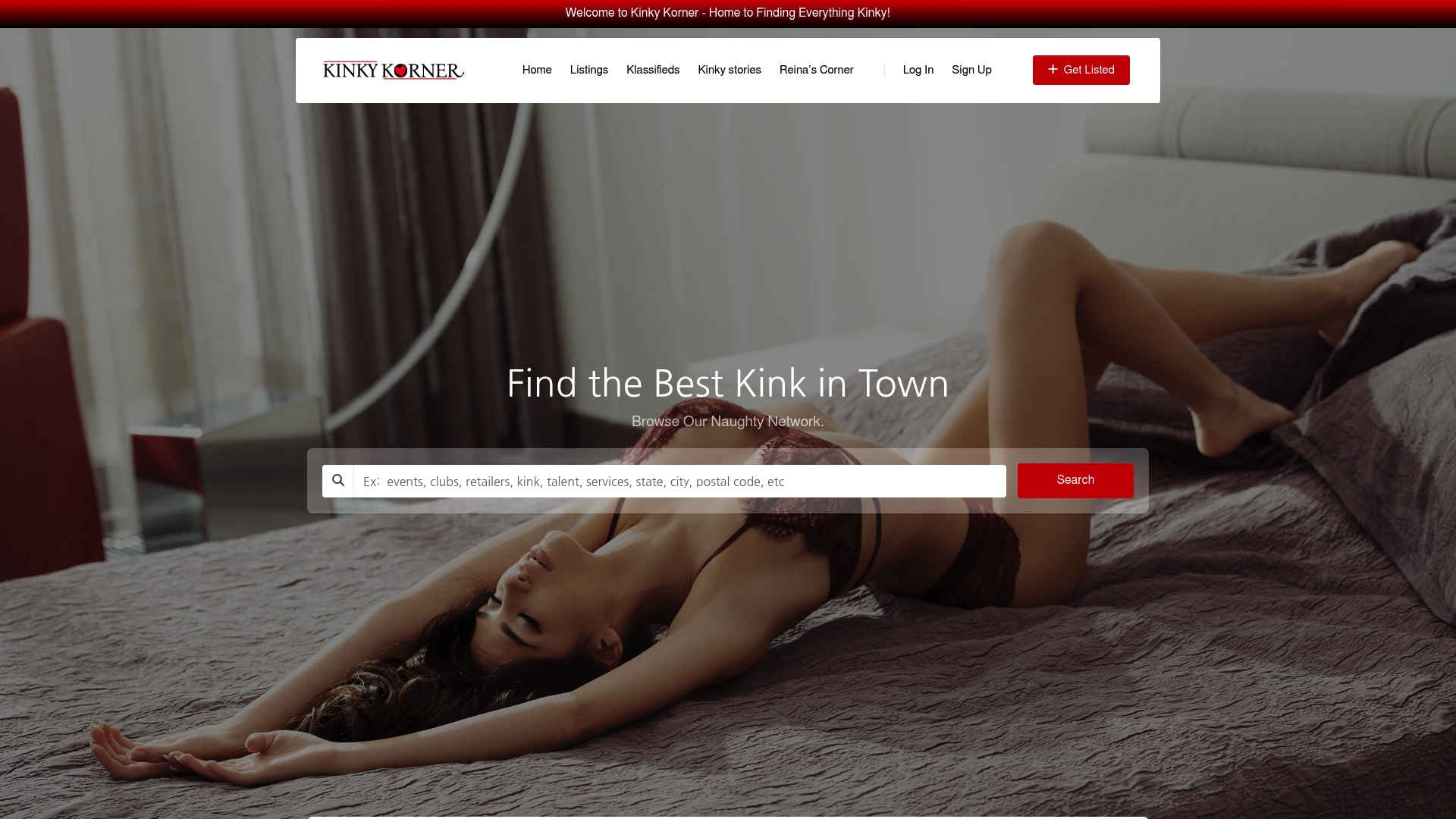
If you are still building your promotion, our 8 to 12 week plan for consent-first event promotion helps you time announcements around ticketing and your insurance deadline. For ideas on formats worth insuring, see our kinky event ideas.
Our view
We read a lot of event pages, and the best organizers have one thing in common: they treat safety paperwork as part of the party, not a buzzkill before it. They know what their policy says, they know what their waiver does and does not do, and they say plainly in the listing what attendees will find at the door.
That honesty is what we built Kinky Korner around. A dedicated place where kink events, businesses, creators and readers sit together means an organizer can list an event and be found by the people who want exactly that, without dressing it up as something it is not. If you run events, a listing in the Kink Events category is a straightforward way to be seen, and the free plan lets you start without paying anything.
Get the insurance conversation done early, be truthful in it, and then put your energy into the room.
Prenston
FAQ
Does ordinary special event insurance cover a kink event?
It depends on the policy wording and on what you disclosed. Standard special-event liability is designed for property damage and attendee injury claims, but exclusions for assault, battery or sexual conduct can remove the activities that matter most. Get the full policy in writing and have a broker confirm how your event is classified.
Does a signed waiver replace insurance?
No. Waivers may protect against ordinary-negligence claims, but generally not gross negligence or willful misconduct. Insurance responds to claims and pays for defense, while a waiver is one argument in that defense. Use both, and have a lawyer in your state review the waiver.
What will a venue ask me for?
Usually a certificate of insurance naming the venue as additional insured, a minimum liability limit, and details of your event. Some also ask for your waiver and house rules. Ask for their requirements before you apply so you buy the right limit the first time.
What should I do if someone is injured at my event?
Get medical help first, then record what happened and who witnessed it. Avoid admitting fault, and notify your insurer promptly using the process in your policy. Keep your complaint and incident records, because they matter if a claim follows.
Sources
- Special Events Application, Single Event
- Examining Assault and Battery Exclusions in CGL Policies, American Bar Association
- Sexual Assault: Is There Coverage for That?, Stetson Advocacy Journal
- Fifty Shades Of Legal Liability, Above the Law
- Liability Issues for Groups and Events, NCSF
- Sexual Wellness Insurance Guide 2026
- FAQs, Eventsured