
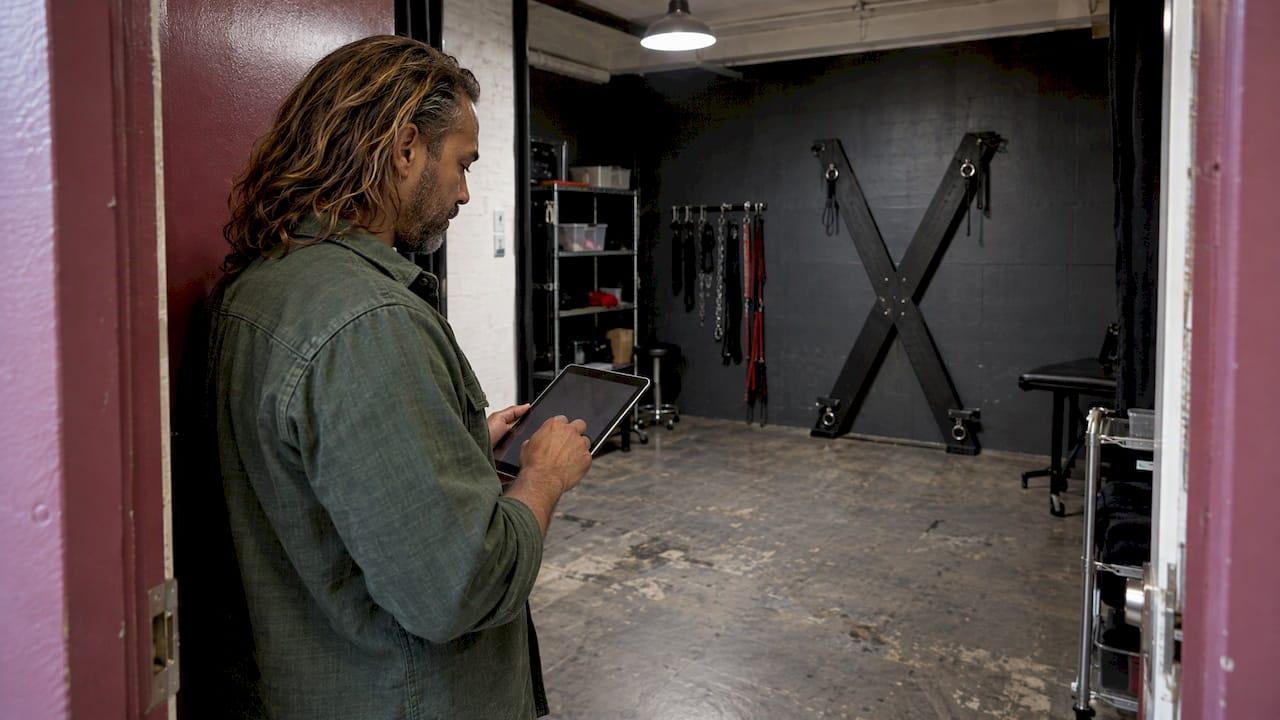
A good dungeon listing description does three jobs. It tells a stranger what is physically in the space. It tells them how the space runs: rules, monitors, who gets in. And it gives them a feel for the room, so they can picture themselves there. Skip any of the three and you get the wrong visitors, or none.
This guide is for owners of public dungeons, private rental spaces, club nights and studios who need to write that description. You'll get a section-by-section structure, a checklist of what to include, a filled-in sample and the mistakes that cost bookings.
TL;DR
- Lead with what the space is: public club, private rental or studio, in what city, for how many people.
- List equipment and amenities you actually have, by room, with real numbers where you can give them.
- State house rules, consent practices, monitor presence and age requirements in plain visitor language.
- Describe atmosphere with specifics (light, sound, smell, texture), not stacked adjectives.
- Cover access, accessibility, fees and cleanup so nobody is surprised at the door.
Table of Contents
- What a dungeon listing description actually has to do
- The structure that works
- Open with the plain facts
- Rooms and equipment: be specific, be honest
- Atmosphere: show the room, skip the hype
- Rules and consent: write them like a host, not a lawyer
- Who can attend: age, membership, dress code
- Access, accessibility and logistics
- A sample description you can adapt
- Mistakes that cost you bookings
- Our perspective
- Put your listing where kinky people are looking
- FAQ
- Sources
What a dungeon listing description actually has to do
People read a listing the way they read a first message from someone they might meet: looking for reasons to say yes, and for red flags. A newcomer wants to know if they'll be safe and if they'll belong. An experienced player wants to know if your St. Andrew's cross is bolted down and if you allow their kit.
A venue vetting guide from a kink educator lists what prospective visitors should weigh up: reputation, layout and accessibility, privacy, cleanliness, policies on bodily fluids and outside toys, how consent incidents are handled, monitors, waiver, rental terms, headcount and cleanup duties. Your description is where you answer all of that before anyone has to ask.

One point on terms. If you searched this keyword and landed on tabletop-gaming room generators, that's a different dungeon. Here we mean the real thing: a play space for consenting adults.
The structure that works
Keep a short version and a long version. The short one (two or three sentences) sits in search results and category cards. The long one lives on the listing page. Both should answer the same questions in the same order.
| Section | What it answers | Rough length |
|---|---|---|
| Opening line | What kind of space, where, how big | 1 to 2 sentences |
| Rooms and equipment | What is physically there | 100 to 250 words |
| Atmosphere | What it feels like to be inside | 60 to 120 words |
| Rules and consent | How the space keeps people safe | 100 to 200 words |
| Who can attend | Age, membership, couples, singles, creators | 60 to 120 words |
| Access and logistics | Parking, step-free entry, fees, cancellation | 80 to 150 words |
| Next step | How to book, apply or ask | 1 to 2 sentences |
Put the most decisive facts first. If you are rental-only and visitors must book a block of hours, say so in the first paragraph, not at the bottom. Nobody should read three paragraphs of mood before learning they can't just show up on a Friday.
Open with the plain facts
Your first sentence should name the venue type, the city or neighborhood, and the capacity. "A private two-room rental dungeon in south Chicago, booked by the hour, for up to four guests" beats "Your fantasies await." The second is a poster. The first is a listing.
If your capacity is a hard cap, say it. One private rental in Los Angeles states a three-person maximum and limits the space to specified booking types. That kind of clarity saves both sides awkward emails.
For how that plays out on the rental side, our own guide to dungeon rental rules covers what renters expect to see before they book.
Rooms and equipment: be specific, be honest
This is the section people screenshot and send to a partner. List by room. Name fixed furniture, suspension or bondage points, impact-play gear, sensory items, and amenities such as showers, lounges, kitchens, mirrors, sound systems, cleaning supplies and first-aid kits. Only list what you actually provide.
A few habits make the inventory credible:
- Use numbers. "Weight-bearing furniture rated to 700 lbs" is a claim a rigger can use. Only publish a rating you can back with the manufacturer's spec or your own documentation.
- Say what's fixed and what's movable. A suspension hard point and a freestanding frame are different things to a rigger.
- Separate supplied from bring-your-own. If linens, gloves, lube, condoms, paper towels and disinfectant are provided, say which. If not, say so.
- Name the prohibited stuff. Wax, oils, intoxicated play and certain fluids are common house bans. Write yours down.
- Don't pad. Ten things you own beat thirty you almost own.
Visitors also want to know the layout supports different moods. A good description says whether there are separate areas for play, socializing and aftercare. If you have a quiet corner with blankets, mention it. It tells newcomers you've thought about the part after the scene.
A quick equipment checklist
- Fixed furniture (cross, bench, cage, bed, spanking horse)
- Suspension or bondage hard points, and their rated loads if you have them
- Impact and sensory tools you supply
- Hygiene supplies and cleaning products you supply
- Showers, restrooms, changing areas
- Lounge, kitchen or social space
- Sound system and lighting controls
- First-aid kit and fire extinguisher location
Atmosphere: show the room, skip the hype
This is where the brand voice earns its keep. You're allowed to be vivid, even a little dirty. You're not allowed to be vague.
The Pulitzer Center's guidance on writing about places boils down to this: observe concrete details such as color, smell, texture, light, objects and what people are doing, and let those carry the feeling. A writing-tools guide to interiors makes a similar point, treating mood as a mix of visual design, acoustics, smell, scale and human activity.
Translate that to your space:
- Light. Red work lights over the main floor, warm lamps in the lounge, or one bare bulb and a lot of brick?
- Sound. Low industrial beats, silence broken by leather on skin, a hum from the fridge in the kitchen?
- Smell. Disinfectant and cedar. Latex. Coffee. Be honest, a clean room smells clean.
- Texture. Cold steel, worn leather, a padded bench that has clearly seen some use.
- People. Quiet watchers at the edge of a scene. Someone laughing in the lounge. A monitor with a clipboard.
Compare two openings. "An unforgettable, sensual, intense, immersive experience." Or: "Low red light, a brick wall hung with floggers, and a leather sofa that has heard everything. The music stays low enough that you can negotiate a scene without shouting." The second one sells the room and tells you how it runs.
Rules and consent: write them like a host, not a lawyer
Visitors are nervous about two things: breaking a rule they didn't know about, and being around people who ignore boundaries. Your rules section should calm both.
Common public-dungeon expectations, as set out in a public dungeon etiquette overview, include following house rules, asking before touching people or their belongings, watching quietly, keeping phones away, cleaning used equipment, staying sober where required and reporting boundary violations to monitors. Write your own version using the rules you actually enforce.
A few things to get across:
- Showing up is not an invitation. Say plainly that attendance doesn't mean someone wants to play, and that scenes and aftercare in progress get respected.
- Monitors. Dungeon monitors enforce house rules, watch for unsafe technique, respond to emergencies and can halt a scene. If you staff monitors, say how many, how to spot them and how to flag one.
- Policy on sex, watersports and blood play. These are exactly the things visitors ask about, along with clearly marked emergency exits and visible fire extinguishers. Answer them in the listing.
- Photography. No photos or recording is the common default. State yours.
- Substances. If sobriety is required, say so in one clear line.
If you run a public space, you can lift the tone from venues that make safety feel welcoming. One long-running community space describes trained monitors, education, first-aid certification, a no-alcohol rule and a welcoming first-visit experience without turning the page into a lecture. Only claim certifications, training or procedures your team really has.
For etiquette detail you can point readers toward, see our guides to dungeon etiquette before your first play party and kink event etiquette, and for the bigger picture, what consensual kink means.
Who can attend: age, membership, dress code
Be explicit about who is welcome. Cover:
- Age. State your minimum age (18+ or 21+) and what ID you check.
- Admission categories. Singles, couples, groups, invited guests, renters, performers, photographers and content creators. Spell out which you accept and any cap per booking.
- Membership. Is it open door, application only, or pay-at-the-door?
- Dress code. Check what's expected on arrival and inside, and whether guests may arrive in fetish attire. Newcomers worry about this more than you'd think.
- Privacy. Say how you keep the entrance discreet and how guest information is handled, but only describe measures you really use.
If your space takes content creators, say it up front and say where filming is allowed. For platform-side rules on age checks and consent when you advertise, read our guide to U.S. fetish classified rules.
Access, accessibility and logistics
This is the section most owners skimp on, and the one that decides whether someone actually shows up. A venue checklist from a kink educator says to include wheelchair and bathroom accessibility, emergency exits, rental fees and cancellation terms, expected headcount, permitted outside items and cleanup responsibilities.
Write each as a fact, not a feeling:
- Step-free entry or not, and how many stairs
- Accessible restroom or not
- Parking and nearest transit
- Fees, deposit, cancellation window
- Whether guests may bring their own toys and furniture
- What you expect at the end: wipe-downs, trash, linens
If something isn't accessible, say so plainly. A visitor who finds out at the door is gone for good. A visitor who reads it in advance can plan, or ask you about alternatives.
A sample description you can adapt
This is an invented example for a fictional venue. Swap in your own facts.
The Iron Lantern, private rental dungeon, Columbus, OH
Two playrooms and a lounge, booked by the hour for up to four adults (21+). No membership, no walk-ins.
The Main Room: brick walls, red work lights, a St. Andrew's cross, a spanking bench, a cage and two ceiling hard points. Hard points are installed and inspected by us; ask for the spec sheet before your booking. The Soft Room: a padded platform bed, dimmable warm lamps and a wall of sensory toys we supply and sanitize between bookings.
Supplied: clean linens, disposable gloves, paper towels, hospital-grade disinfectant, a first-aid kit by the door. Bring your own: impact toys you prefer, lube and condoms. Not allowed: wax, oils, alcohol or drugs, photography of other guests.
Consent and safety: all guests agree to our house rules before booking. A monitor is available on request for first-time renters. Boundary violations are grounds for immediate removal.
Access: street-level entry, one step, accessible restroom. Cancel 48 hours ahead for a full deposit refund. Please wipe down all equipment you use and strip the linens before you leave.
Notice what it does. It opens with facts. It gives the equipment by room. It says what's supplied and what isn't. It states the rules without scolding, and it ends on logistics. The tone has some edge, but nothing is exaggerated.
Mistakes that cost you bookings
- Adjective soup. "Sensual, decadent, intense" tells nobody anything.
- Claiming safety you can't prove. "The safest dungeon in the state" is a claim you can't back. Describe what you do instead: monitors, first-aid, rules.
- Hiding the rules. If the rules are in a PDF nobody opens, they don't exist.
- Mismatched photos. Pictures of a nicer room than the real one create angry reviews. Our guide to adult listing photos that pass moderation shows how to pick a cover shot and thumbnails that are honest and approved.
- Out-of-date details. If you change equipment, capacity or rates, change the listing the same day.
- No next step. End with how to book, apply or ask a question.
Our perspective
We've read a lot of listings in this corner of the internet, and the best ones sound like a host talking, not an ad agency. They say what's in the room, what the rules are and who's welcome, then they trust the reader.
That's why Kinky Korner is built as a dedicated hub for adult services, venues, events, creators and erotic content in one place. When someone browses our categories, they've already told us what they want. A clear dungeon listing meets them at that exact moment, and a vague one loses them.
Our advice: write the description as though you're showing a nervous friend around. Be specific about the room, be straight about the rules and let your venue's personality show. The people who want that kind of space will find you, and the ones who don't will move on, which is exactly what you want.
Prenston
Put your listing where kinky people are looking
Once your description is ready, it needs somewhere to live. Kinky Korner lets businesses and service providers list venues, events and services where an audience of adults interested in kink is already browsing. You can start with a Free Listing, or go Monthly at $4.99 per month or Yearly Premium at $149.95 per year. Compare them on the pricing page, or see the listing categories, which include Kink Events, Fetish, and Retailers & Studios.
If you run events, our guides to kinky event ideas and safe spaces in the adult industry can help you shape what goes in the listing.
FAQ
How long should a dungeon listing description be?
Aim for a short version of two or three sentences and a long version of roughly 500 to 800 words on the listing page. Use the long version for rooms, rules and logistics. If a section doesn't answer a question a visitor would ask, cut it.
Should I list every piece of equipment?
List what you actually provide, organized by room, and be selective about the details that matter, such as fixed furniture, suspension points and sensory items. Include numbers like weight ratings only when you can back them. A shorter true list is more persuasive than a long stretched one.
Do I need to publish my house rules in the listing?
Yes, at least the main ones. Visitors want to know about touching, photography, sobriety, cleanup and what happens if a boundary is crossed. You can link to a full rules page, but give a plain summary in the listing itself.
Can I describe the atmosphere without being explicit?
Yes. Light, sound, smell, texture and what people are doing in the room carry the mood without graphic detail. Save the explicit language for how the space works, such as which activities are allowed, so there is no confusion.
Is it okay to say my venue is safe?
Describe what you do rather than promise an outcome. Say you have monitors, a first-aid kit, clear emergency exits and enforced consent rules, if you do. Readers trust concrete practices more than a blanket promise.
Sources
- Vetting Public Kink Venues, KYNK 101
- Finding Kink Dungeons, KYNK 101
- DTLAPinkDungeon
- How to Describe Places to Tell Underreported Stories, Pulitzer Center
- Practical ways to describe indoor spaces, Novlr
- BDSM Dungeon: Home Play Rooms, Public Dungeons, and More
- What a Real Dungeon Looks Like (And What It Doesn't)
- Club 1763